Following the news from Mauritius

Provided by AGP

Got News to Share?

AGP Executive Report

Your go-to archive of top headlines, summarized for quick and easy reading.

Note: These AI-generated summaries are based on news headlines, with neutral sources weighted more heavily to reduce bias.

South Africa Flood Crisis: South Africa has declared a national state of disaster after a week of torrential rains and extreme weather killed at least 10 people and damaged thousands of homes, with emergency funding now unlocked to speed relief across six provinces. Xenophobia Fallout: Ghana has announced it will repatriate about 300 citizens from South Africa, citing safety concerns amid renewed anti-foreigner violence, while South Africa continues to reject claims that the attacks reflect official policy. Mozambique Security & LNG Push: The EU extended its Mozambique anti-terror mission (EUMAM MOZ) for six more months, as Cabo Delgado violence continues, while Mozambique’s FDI surged to $5.6bn in 2025 on the back of major gas projects in the Rovuma Basin. Regional Policy & Services: Mozambique is urged to boost spending on food fortification to cut malnutrition, and Nepal Telecom revised international call billing to a 60-second pulse for 58 countries. Humanitarian Milestone: CARE marked 80 years since the first CARE PACKAGE® deliveries, celebrating its ongoing work against poverty worldwide.

Oil Market Shock: Sasol-linked sentiment is still being tugged by Hormuz Strait uncertainty, with Brent easing to around $100 after earlier spikes—helped by big global inventories and China drawing down reserves—while the risk remains that any further disruption could hit prices again. Food–Fertiliser Pressure: The same Hormuz squeeze is now feeding into Africa’s fertiliser crunch, as urea supply and shipping are disrupted, raising fears for planting seasons from Southern Africa to the Sahel. Regional Energy Push: South Africa’s Eskom has signed up with Energy Vault to trial grid-scale gravity storage, aiming to scale long-duration power support across SADC. Health Supply Strain: Eswatini’s new HIV prevention injection rollout is outpacing supplies, leaving clinics short. Local Governance & Jobs: In Eswatini, Manzini Mall Phase 2 is moving ahead with a new contractor, promising up to 3,000 jobs during construction. South Africa Politics & Courts: ANC and opposition leaders keep pressing Ramaphosa’s Phala Phala fallout, while corruption cases involving SAPS officials continue in court.

ANC Under Pressure: ANC leaders meet in Cape Town as President Cyril Ramaphosa faces fresh fallout from the Phala Phala Constitutional Court ruling; Ramaphosa says he committed no crime and won’t resign, while ANC veteran Matthews Phosa warns of reputational damage. Court Corruption Case: Suspended SAPS National Police Commissioner Fannie Masemola appears in court with alleged cartel figure Vusimuzi “Cat” Matlala over a multi-million rand tender corruption case; the matter is postponed to June 26. Political Standoff: DA leader Geordin Hill-Lewis says the DA will not back MK Party and ATM’s no-confidence motion against Ramaphosa. Energy Push: Eskom signs with Energy Vault to potentially deploy 25MW/100MWh gravity storage at Hendrina and explore up to 4GWh across SADC. Health & Borders: South Africa brings in 2 million more FMD vaccine doses and unveils a R12.5bn plan to upgrade six major land borders, including Beitbridge. Education Crisis: New data says over 100 million African children and adolescents remain out of school. Women’s Rights: Rights groups launch an advocacy framework to strengthen women’s rights across Africa.

Road Safety Funding Shake-up: South Africa’s transport department is weighing a hybrid plan to rescue the technically bankrupt Road Accident Fund, with state and motorists sharing the bill as the fund’s huge liabilities and delayed payouts keep sparking controversy. Terror Watch (US): The US flags West Africa and the Sahel—plus Nigeria’s Lake Chad Basin, Mozambique, Sudan and Somalia—as key fronts where ISIS remnants are regrouping and exploiting weak governance. Anti-migrant Protests Probe: A Zimbabwean analyst urges South African authorities to identify who is funding and coordinating anti-foreign demonstrations in Gauteng and KwaZulu-Natal, warning it could be part of a wider political agenda. Uganda Politics: Yoweri Museveni was sworn in for a seventh term, with tight security and regional leaders attending. Mozambique Drugs & Conflict: Mozambique reports arrests tied to international cartel links and ongoing Cabo Delgado attacks that keep displacing civilians. Local Tech for Water: Limpopo basin states roll out AI “digital twin” tools to manage shared water risks. Business & Inclusion: Mastercard and Letshego launch a Mozambique debit card, pushing wider access to digital payments.

Rail Push: Zoho founder Sridhar Vembu backed India’s push for faster rail, saying Japan’s model could help replace “most of our flying” with high-speed trains and praising Indian Railways for cutting accidents by 90%. Disaster Watch: South Africa declared a natural disaster after floods across six provinces killed at least 10 people, damaging thousands of homes and forcing school closures in parts of Cape Town. Africa–France Summit: Kenya’s President William Ruto urged a “win-win” Africa–France partnership at the Nairobi summit, stressing sovereign equality over aid and extraction. Terror Threat: The US warned ISIS-linked networks are regrouping in West Africa and the Sahel, naming Nigeria and the Lake Chad Basin as key 2026 counterterrorism fronts. Mozambique Politics: Venancio Mondlane called for three days of national mourning after the assassination of Anamola coordinator Anselmo Vicente. Digital Payments: Mastercard and Letshego launched a debit card in Mozambique to boost financial inclusion as cash use still dominates.

STEM Push: Africa, with ExxonMobil Foundation support, launched STEM Africa 2.0 to train 4,000 more youths (14–17) in STEM and AI, building on 10,000+ learners already reached across Angola, Mozambique, Namibia and Nigeria. Anti-immigrant Protests: Zimbabwean analyst Gideon Chitanga urged South Africa to investigate who funds and drives the anti-migrant protests, warning xenophobia is being tied to wider right-wing politics. Transport Upgrade: Zimbabwe’s Minister Felix Mhona toured work on a new Harare interchange at Harare Drive and Joshua Mqabuko Nkomo Expressway to decongest traffic and improve airport access. Energy & Security: The US flagged Nigeria and the Lake Chad Basin as key fronts in its 2026 counter-terrorism plan as ISIS-linked groups regroup across Africa. Humanitarian Relief: CARE marked 80 years since the first CARE PACKAGE boxes, relaunching a modern emergency version aimed at reaching one million people by 2030. Payments in Mozambique: Mastercard and Letshego launched a debit card to expand secure digital payments and financial inclusion.

Zimbabwe LPG Shock: While petrol and diesel headlines look calmer, Zimbabwe’s cooking gas bill is spiking fast—LPG up about 25% in 60 days, adding roughly US$84 a year for urban households, as Gulf shipping risk and local supply opacity squeeze prices. Energy Politics: Namibia’s businessman Katti backs reforms to create an Upstream Petroleum Unit and push the Petroleum Amendment Bill, aiming to fix governance and revive investor confidence. Geopolitics of Refining: Dangote’s planned $15–$17bn refinery shift to Mombasa is framed as a major signal about which ports control energy corridors and leverage in East Africa. Voting Rights Clash: Maltese aid worker Karl Schembri files a judicial protest against overseas voting rules, arguing ballots shouldn’t depend on airline routes. ICC Push in Kenya: President Ruto ramps up lobbying for Justice Njoki Ndung’u’s ICC bid, pitching her as a top legal mind to France and other leaders. South Africa Xenophobia Crackdown: Ramaphosa condemns attacks on foreign nationals and warns against vigilante “law enforcement,” while Ghana presses for an AU debate. Mozambique Transport Relief: President Chapo hands over 190 natural gas-powered buses to cut fuel-cost pressure on public transport in Greater Maputo. Climate Watch: El Niño risk is rising, with 2026 tipped as potentially among the hottest years on record. Vodacom Growth: Vodacom reports 26m new customers and double-digit earnings growth, boosting its Vision 2030 ambition.

In the past 12 hours, the dominant thread in the coverage is the regional fallout from anti-immigrant/xenophobic tensions in South Africa. Multiple reports describe protests against undocumented migrants and claims of violence against foreign nationals, prompting diplomatic and public responses across Africa. South Africa’s presidency and spokespersons rejected “xenophobia” as a label, framing events as “pockets of protest” within constitutional limits and arguing that the underlying drivers are instability and “misgovernment” that push people to migrate. At the same time, several African governments issued warnings to their citizens in South Africa to stay indoors and exercise caution, while Ghana also sought African Union action—signalling that the issue is being treated as a continental concern rather than a purely domestic one.

A second major development in the last 12 hours is the continued focus on misinformation and its real-world consequences, particularly in the Democratic Republic of Congo. Reuters reports on the deadly spread of an “atrophy” health rumour in Tshopo, where online and community-level testimonials helped trigger panic and violence, including killings of health workers conducting vaccination research. The reporting links the escalation to amplification through churches and both local and overseas media, and notes that at least 17 killings related to the rumour have been reported (with Reuters unable to independently verify all deaths). This theme is reinforced by a duplicate Reuters framing of the same crisis, underscoring the seriousness attributed to health misinformation.

Beyond conflict and social tensions, the last 12 hours also include concrete policy and sector updates. Zimbabwe’s tourism sector is reported to have received more than US$60 million in the first quarter of 2026, with investment and arrivals rising sharply. Mozambique’s government actions appear in parallel coverage: one report says a National Agency for Tourism Development and Investment (Anditur) was approved to mobilize private investment and structure tourism projects, while another reports fuel price increases of up to 45.5% effective Thursday. Separately, BPCL’s Mozambique LNG project is said to have reached about 42% completion after a force majeure was lifted, with remobilisation underway—suggesting continuity in energy investment despite earlier disruptions.

Looking across the broader 7-day window, the xenophobia narrative shows continuity and escalation: earlier coverage includes South Africa’s broader denial/deflection of xenophobia claims and arguments that African nations must address instability driving migration, while additional items show the issue being discussed in terms of regional cooperation and political optics. There is also continuity on Mozambique’s security and infrastructure challenges, including reporting that Islamic State-linked extremists destroyed a historic Catholic church in northern Mozambique—adding to the picture of persistent instability alongside economic and governance reforms. Overall, the most recent evidence is strongest on South Africa’s migration-related tensions and the immediate diplomatic responses they are triggering, while older material provides context for how these debates have evolved rather than indicating a single new turning point.

In the last 12 hours, coverage in the region is dominated by two themes: energy and security. Zimbabwe’s energy regulator says the country is moving toward electricity self-sufficiency, citing improved generation at Hwange and Kariba that has ended loadshedding. In Nigeria, Sahara Power Group is pushing for a “digital electricity grid,” arguing that the core problem is not generation capacity but delivery intelligence—using sensors, smart meters, and analytics to reduce losses and enable preventive maintenance. Separately, multiple reports focus on Mozambique’s Cabo Delgado insurgency: a Catholic church (St Louis de Montfort in Meza) was destroyed in an attack attributed to Islamic State-linked extremists, described as a “scene of terror,” with the church, missionary offices/residence, and a church-run kindergarten vandalised.

South Africa’s immigration debate also remains prominent in the most recent reporting. The Presidency rejects claims that South Africa is xenophobic, with spokesperson Vincent Magwenya describing the situation as “pockets of protest” rather than a blanket xenophobia label, and calling the analysis “lazy.” The same line is reinforced by references to high-level talks between President Cyril Ramaphosa and Mozambique President Daniel Chapo, where both sides are said to agree that migration drivers include conflicts, instability, and governance failures—rather than targeting foreigners as such. Related coverage also notes Zimbabwean authorities moving to reassure citizens abroad, including sending a delegation to South Africa to monitor the situation of Mozambican workers and meet local entities.

Beyond politics and security, the last 12 hours include economic and social developments with clearer, measurable signals. Zimbabwe tourism is reported to have injected over US$60 million in the first quarter of 2026, with investment rising sharply and international arrivals and receipts increasing year-on-year. There is also continued attention to regional cooperation and development: Zimbabwe is part of a regional bid for the 2028 Africa Cup of Nations, and Mozambique-related reporting includes steps aimed at stabilising finances—such as Mozambique’s early full repayment to the IMF framed as restoring credibility.

Over the broader 7-day window, the same issues show continuity. Mozambique’s financial stress and debt concerns recur alongside the security situation in Cabo Delgado, while the xenophobia/migration storyline expands into diplomatic and monitoring responses across countries. Energy and infrastructure themes also persist, including calls for digital solutions and broader regional coordination. However, the most recent evidence is strongest on (1) Mozambique church destruction and (2) South Africa’s pushback on xenophobia claims, while other areas (like sports bidding and tourism growth) appear more like ongoing updates than major breaking shifts.

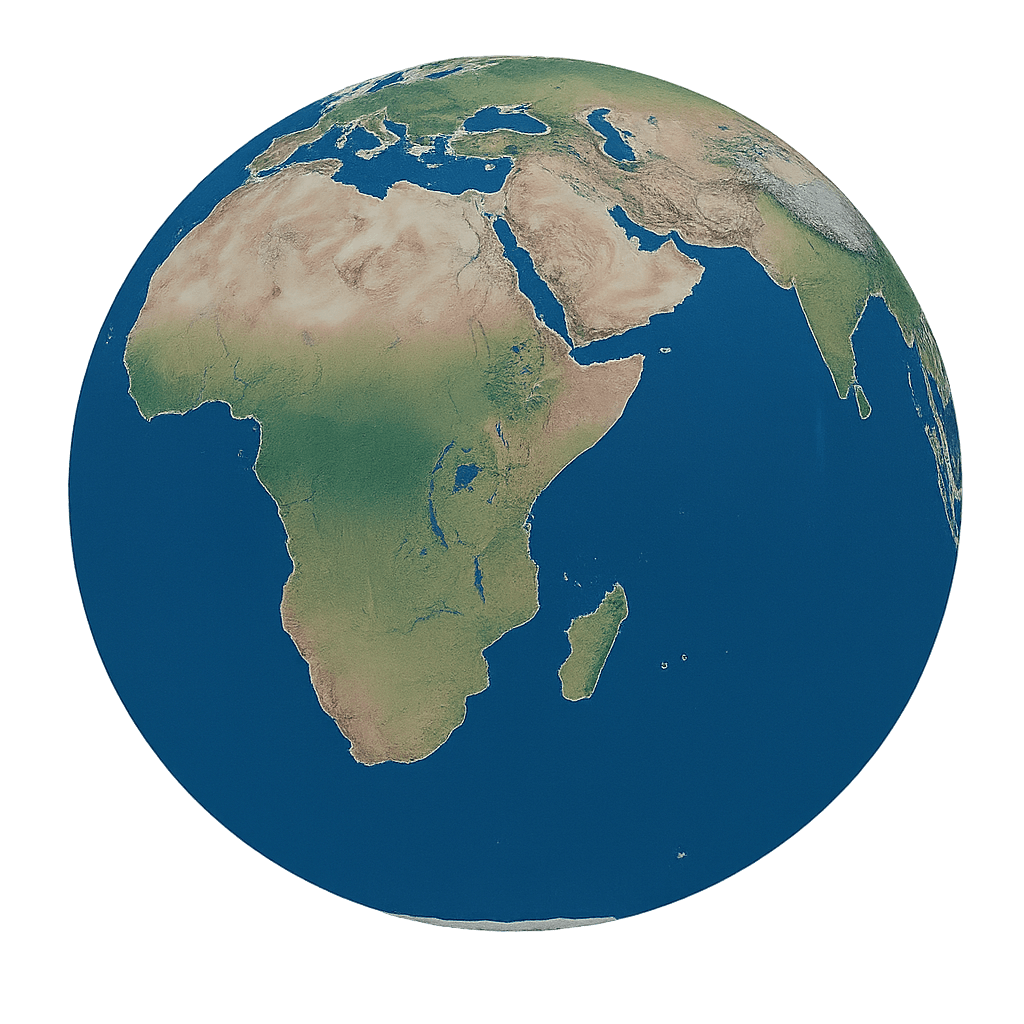
In the last 12 hours, Mauritius Daily News coverage is dominated by a regional political flashpoint: South Africa’s anti-migrant protests and the dispute over whether the country is “xenophobic.” Multiple reports quote South African officials pushing back on the label. Presidential spokesperson Vincent Magwenya says “South Africans are not xenophobic,” describing protests as “pockets” within constitutional bounds, and arguing that migration drivers include “conflicts, issues of instability” and governance failures elsewhere. This line is reinforced by coverage of Ramaphosa’s messaging to African leaders and by reports that Ramaphosa and Mozambique President Daniel Chapo have agreed South Africa is not xenophobic, while also calling for joint action on root causes. Alongside the political messaging, there is also operational follow-through: Mozambique’s labour ministry has sent a delegation to monitor the situation of Mozambican workers in South Africa, and Zimbabwean authorities have moved to reassure citizens abroad about safety.

The same 12-hour window also shows parallel attention to Mozambique’s economic and energy pressures, with fuel and finance featuring prominently. Mozambique’s Prime Minister is reported as saying government may adjust fuel prices due to upward international market trends and uncertainty linked to the Middle East conflict, while another report says Mozambique has fully repaid its outstanding IMF debt early to restore credibility and improve its sovereign risk profile. In the energy sector, Sahara Power Group’s advocacy for a “digital grid” is highlighted as a way to improve reliability and address Nigeria’s electricity delivery gaps—shifting the emphasis from generation capacity to grid intelligence, real-time data, and automation.

Beyond these headline themes, the last 12 hours include continuity on regional cooperation and development agendas. Coverage notes SADC Parliamentary Forum’s linking of the child marriage fight to broader SRHR, education, economic inclusion, and climate justice at Women Deliver 2026, and it also features ongoing regional digital integration efforts in East Africa (a unified digital network and reduced telecom gaps). Sports and public life appear in smaller, more routine items such as South Africa’s 2028 AFCON co-hosting bid discussions involving neighbouring countries, and Zimbabwe’s domestic commemorations and football coaching commentary.

Looking across the wider 7-day range, the same issues recur with stronger background detail—especially Mozambique’s security and economic fragility. Several reports describe the destruction of a historic Catholic church in northern Mozambique by Islamic State-linked extremists, and other coverage frames Mozambique’s financial deterioration as moving toward potential bond restructuring and worsening debt stress. Meanwhile, the xenophobia/migration storyline is sustained across multiple countries’ responses (including diplomatic complaints and evacuation/return concerns), suggesting the South Africa protests are not isolated domestic coverage but a continuing regional diplomatic and humanitarian concern.

Sign up for:

Mauritius Daily News

The daily local news briefing you can trust. Every day. Subscribe now.

By signing up, you agree to our Terms & Conditions.

Share us

on your social networks:

Sign up for:

Mauritius Daily News

The daily local news briefing you can trust. Every day. Subscribe now.

By signing up, you agree to our Terms & Conditions.